Second-life battery energy storage.
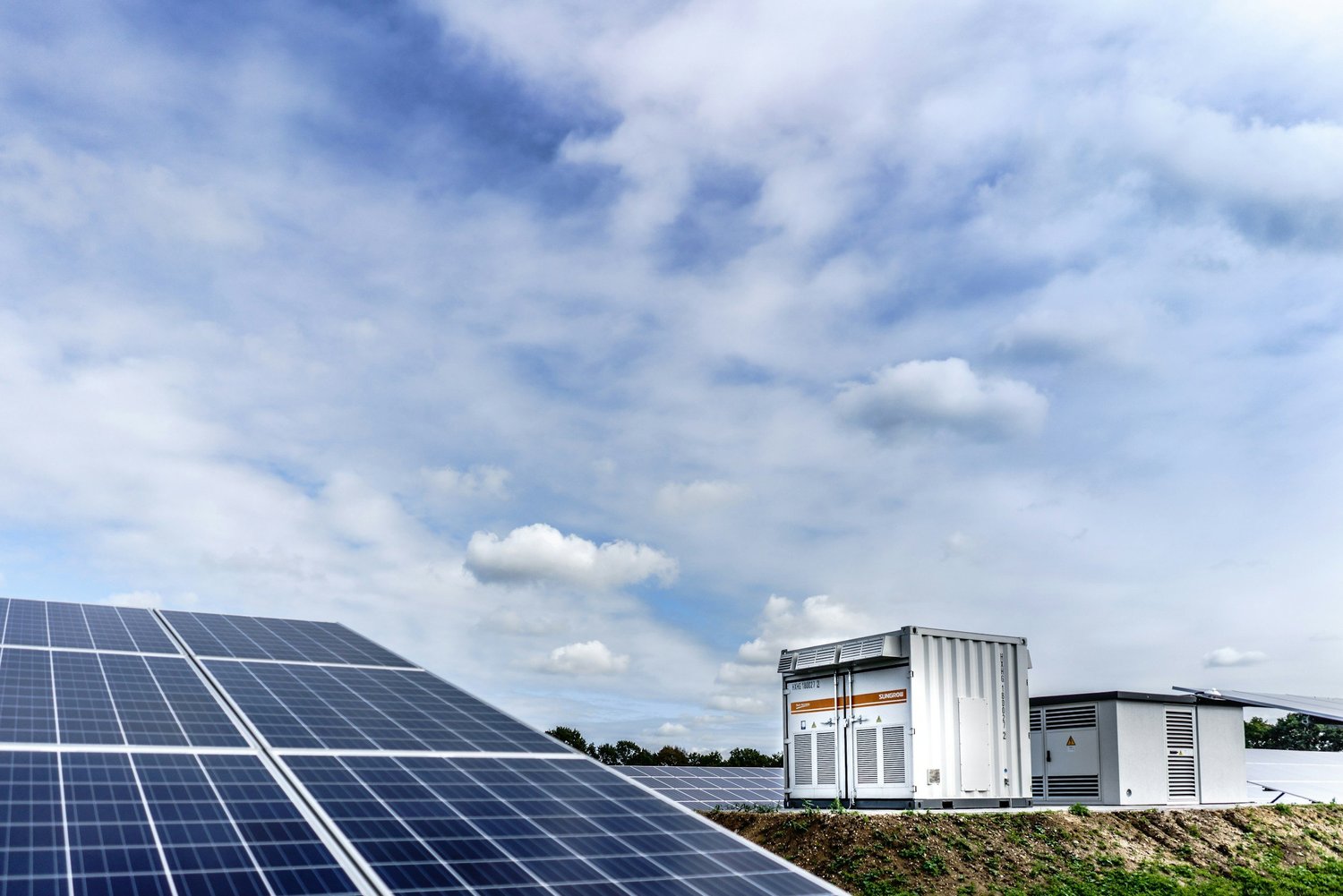
SBM Tech is evaluating second-life and new battery energy storage solutions for industrial and commercial applications.
From EV battery to mechanical recycling.
To maximize the value of viable battery cells before they hit final mechanical recycling, SBM Tech plans to integrate testing with secondary-life Energy Storage Systems (ESS).
- 01
EV battery
- 02
Testing and evaluation
- 03
ESS application
- 04
End of life
- 05
Mechanical recycling
How energy storage supports smarter energy use.
Charging and discharging
ESS stores electricity when grid demand is low and discharges it at peak periods, giving operators control over energy timing, load flexibility and a more resilient supply.
Reducing costs and demand charges
Demand charges are billed on a facility’s highest grid draw in a billing cycle. Storage flattens those peaks by substituting stored energy at critical moments.
Sustainability and efficiency
Storage helps reduce dependence on fossil-fuel grid power and can lower scope 2 emissions, a practical lever for facilities with ESG reporting requirements.
Resilience and reliability
Backup power and voltage support help keep high-priority systems, production lines and computing environments running through grid events.
Integrating renewables
Storage bridges the gap between when solar and wind generate and when load needs power, making onsite renewable capacity more usable.
Where we see a fit.
Industrial and commercial
- Demand charge reduction
- Backup power
- Peak load management
Utilities and grid
- Renewable integration
- Grid balancing
- Ancillary services
Mission-critical facilities
- Data centers
- Manufacturing plants
- Critical infrastructure
Interested in ESS?
SBM Tech is evaluating second-life and new battery energy storage solutions. Our initial focus is mechanical recycling of battery production scrap.